Unveiling the Origin of Bees: A Wondrous Journey Through Time and Space



A wonderful journey through time and space


In 1984, on the seemingly ordinary land of Laiyang, Shandong Province, a significant discovery shocked the paleontological community - the fossil of the Beibozi ancient bee emerged out of the blue. According to scientific measurement, this ancient bee fossil is 130 million years old! When paleontologists carefully removed this precious fossil, what came into view was an ancient creature that, although its pollen-collecting organs were not yet fully developed, had already taken on the rudimentary form of a modern bee.
Its compound eye structure and wing texture can give people a vague glimpse of the appearance of modern bees. This significant discovery not only greatly advanced the appearance of bees but also made China shine in the field of bee origin research, providing extremely crucial physical evidence for the entire academic community. It is like a key that has opened a new door to exploring the origin of bees.
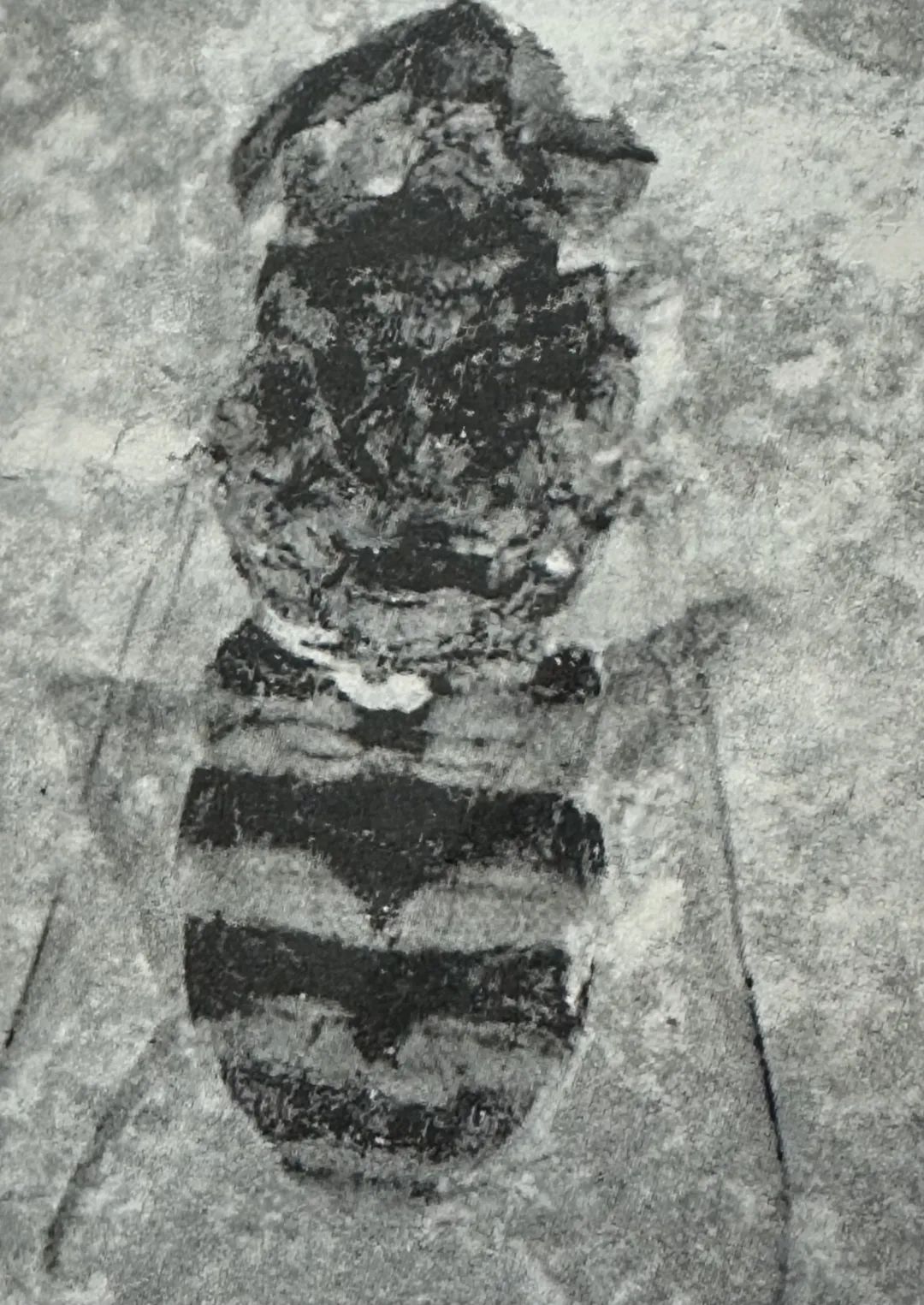
Fossils of new bees - closer to modern bees

If the history of the evolution of life on Earth is compared to a grand and sweeping scroll, the evolutionary process of
bees is a brilliant chapter in it. About 400 million years ago, insects began to attempt to move from the ocean to the land,
taking the first step towards conquering terrestrial ecosystems.
By 270 million years ago, Hymenoptera insects emerged, and it was during this long evolutionary process that bees
gradually came into being. Over time, approximately 130 million years ago, bees underwent crucial evolution to better
adapt to the emergence and prosperity of flowering plants on Earth. They have evolved special structures capable
of adhering to and carrying pollen, such as unique pollen baskets on their hind legs. This makes them,
while collecting nectar, unintentionally become important "messengers" for plant reproduction.
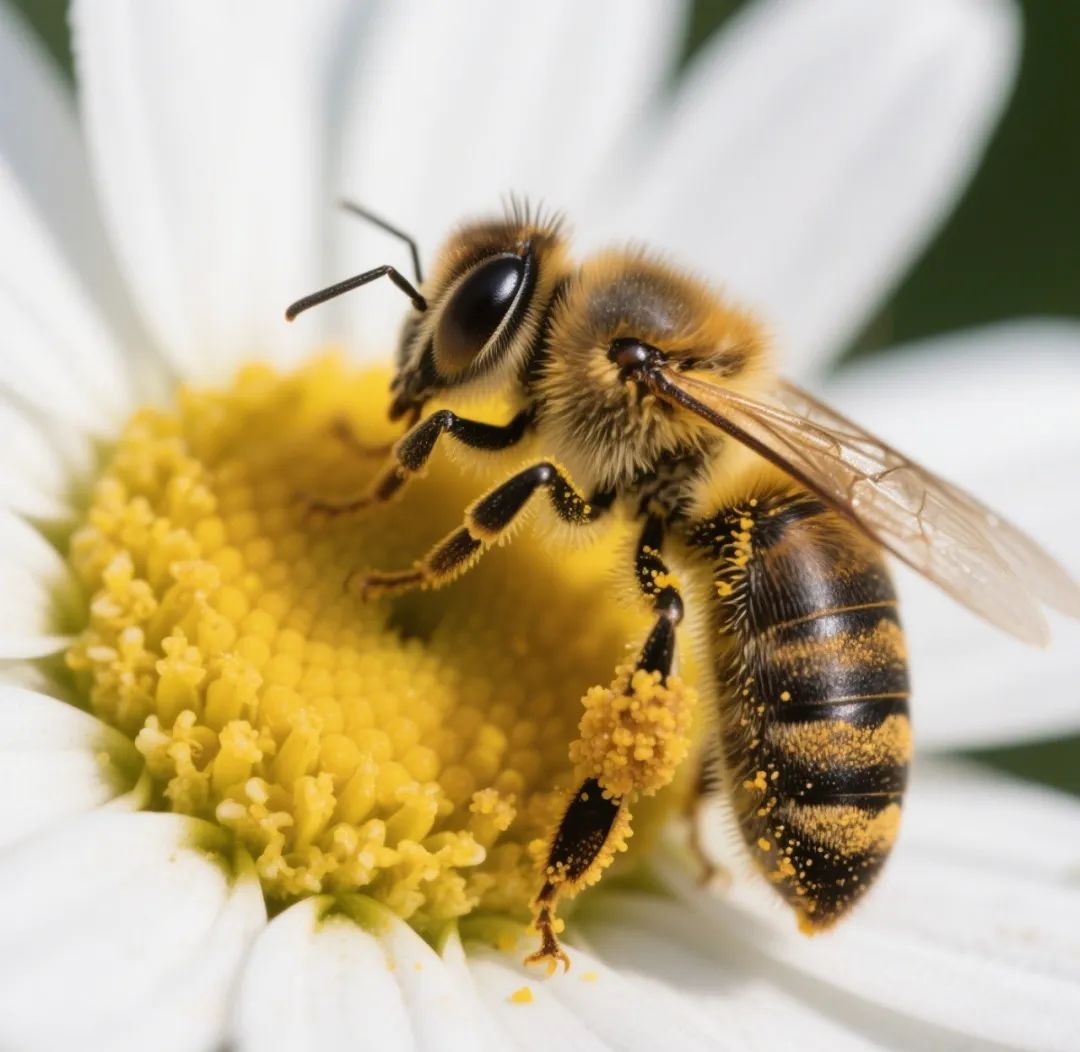
The oldest bee fossil discovered so far is hidden in Burmese amber dating back about 100 million years. Through the crystal-clear amber, we seem to be able to see the ancient bees flapping their wings and flying. The modern form of bees can be traced back to about 35 million years ago. Since then, the basic form and structure of bees have become stable, and they have embarked on a long and exciting journey of survival on Earth.
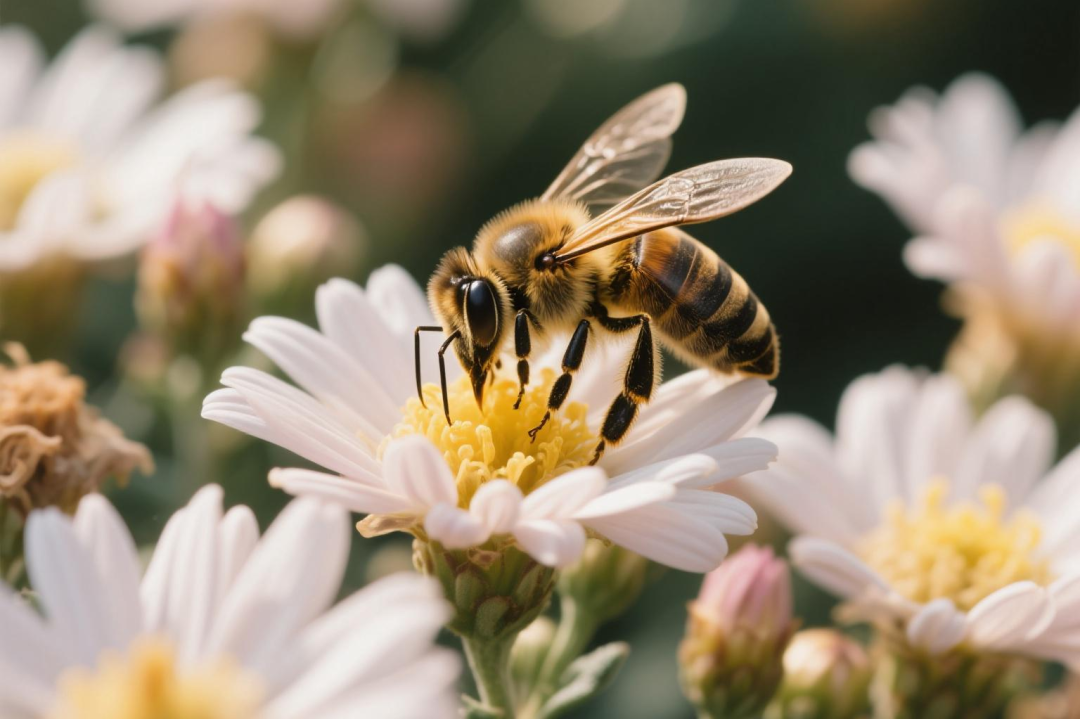
BEE


The ancient bee fossil discovered in Beibozi, China, strongly supports the theory of the origin of the ancient land in North China. This theory holds that in ancient times, the unique geographical environment and ecological conditions in North China provided a suitable breeding ground for the origin and early evolution of bees.

Reference materials
Fossils of Chinese honeybees (Miocene fossils collected by the China Bee Museum)
"Colorful Insect World", authored by Zhao Meijun and Li Lizhen, published by Shanghai Science Popularization Press
In the 3rd issue of "Insect Knowledge" in 1985, through on-site excavations and professional research, the discovery process and characteristic analysis of the ancient bee fossil in Beibozi were detailedly recorded.
Shenfeng Technology